PCB Assembly Services
MOZPCB assembles prototypes and production batches with SMT, through-hole, and mixed technology flows—backed by practical inspection and test planning so first articles match the design you released.
Service overview
PCB assembly turns a bare board and a BOM into a working product—or exposes every ambiguity left in the data package. Centroid polarity, alternate parts, moisture-sensitive handling, stencil aperture strategy, and test access all affect yield. MOZPCB treats assembly RFQs as process design problems: we align stencil, reflow, placement sequence, and inspection coverage with your BOM risk before the line runs.
We support consigned kits when your purchasing team owns the AVL, and we can support sourcing-assisted or turnkey models when you want fewer hand-offs. Either way, the traveler documents materials, tooling, MSL handling, and quality checkpoints so you have a clear chain of custody from kit intake to finished boards.
Prototype and small-batch programs are a core use case. Short runs still need disciplined change control: ECO cuts, partial population for bring-up, and first-article reviews that catch polarity or paste issues before you scale quantity. Fine-pitch, BGA, and QFN packages are reviewed against pad design and X-ray needs rather than assumed “standard SMT.”
If fabrication is also in scope, finish selection and panelization are coordinated with assembly—so OSP age limits, ENIG planarity, and depanelization method do not fight the reflow process you actually need.
What we offer
- Surface-mount assembly for fine-pitch and standard components, including BGA and QFN subject to design review
- Through-hole assembly including selective or wave soldering where the design requires it
- Mixed-technology boards combining SMT and TH on the same panel with a defined process sequence
- Prototype and small-batch builds with controlled revisions and first-article feedback
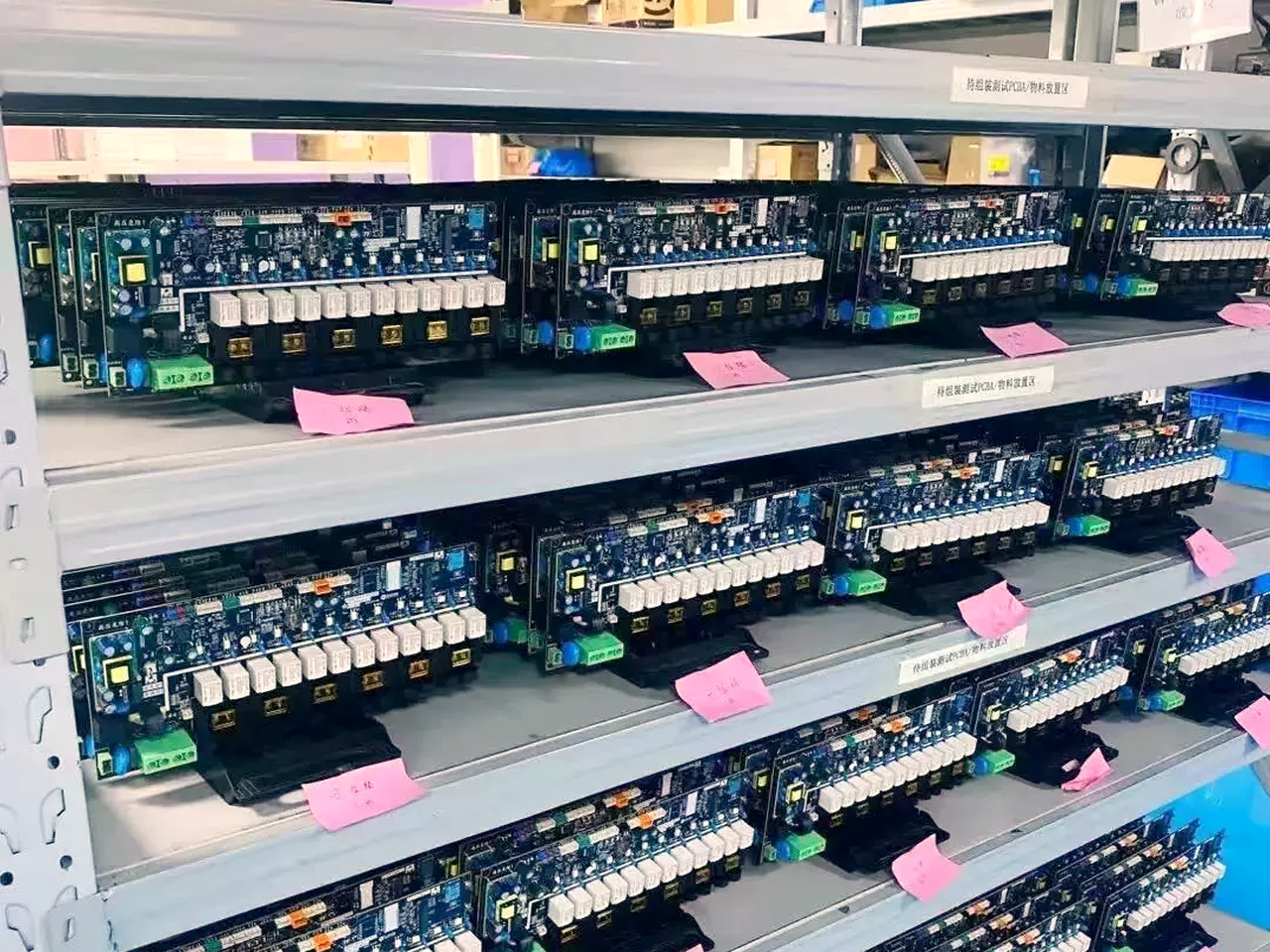
- Consigned-kit assembly with kit verification against the BOM at intake
- Component placement verified against your centroid file and polarity rules
- AOI coverage for solder joints, polarity, and component presence
- X-ray inspection for area-array packages when specified by risk or end-market requirements
- Functional test support based on your fixture, bed-of-nails, or documented procedure
- Optional conformal coating, selective protection, and serialization for downstream integration
Technical capabilities
- Single- and double-sided SMT on multilayer assemblies
- BGA, QFN, 0402/0201 class passives, and fine-pitch placements subject to design and stencil review
- Selective soldering and mixed SMT/TH process flows
- Reflow profiling adjusted for board mass, finish, and package mix
- MSL handling, baking, and dry-pack protocols for moisture-sensitive devices
- Conformal coating and selective masking when requested
- Lot serialization, labels, and packaging formats for CM or field deployment
- Partial population and bring-up builds to isolate power, RF, or digital sections
Common applications
- Industrial PCs, PLCs, motor controllers, and ruggedized embedded systems
- Medical and wellness electronics requiring repeatable process evidence
- Networking switches, access points, radios, and small-cell hardware
- IoT and consumer electronics moving from EVT bring-up into pilot lots
- Power electronics and mixed-technology boards with connectors and magnetics
How the process works
- 01
Data and kit intake
Share Gerber/centroid/BOM, assembly drawings, and either a verified kit plan or sourcing scope. We confirm polarity rules, alternates, and any no-populate lines before scheduling.
- 02
Process and stencil alignment
Stencil apertures, reflow strategy, and inspection coverage are set against package mix and board finish—especially for BGA, QFN, and fine-pitch fields.
- 03
Assembly and inspection
SMT and TH steps follow the traveler with AOI, and X-ray or functional test when those gates are part of the agreement.
- 04
FA review and shipment
First-article feedback closes open issues; approved builds are packed, labeled, and shipped to your facility or next integration step.
SMT & through-hole production
-
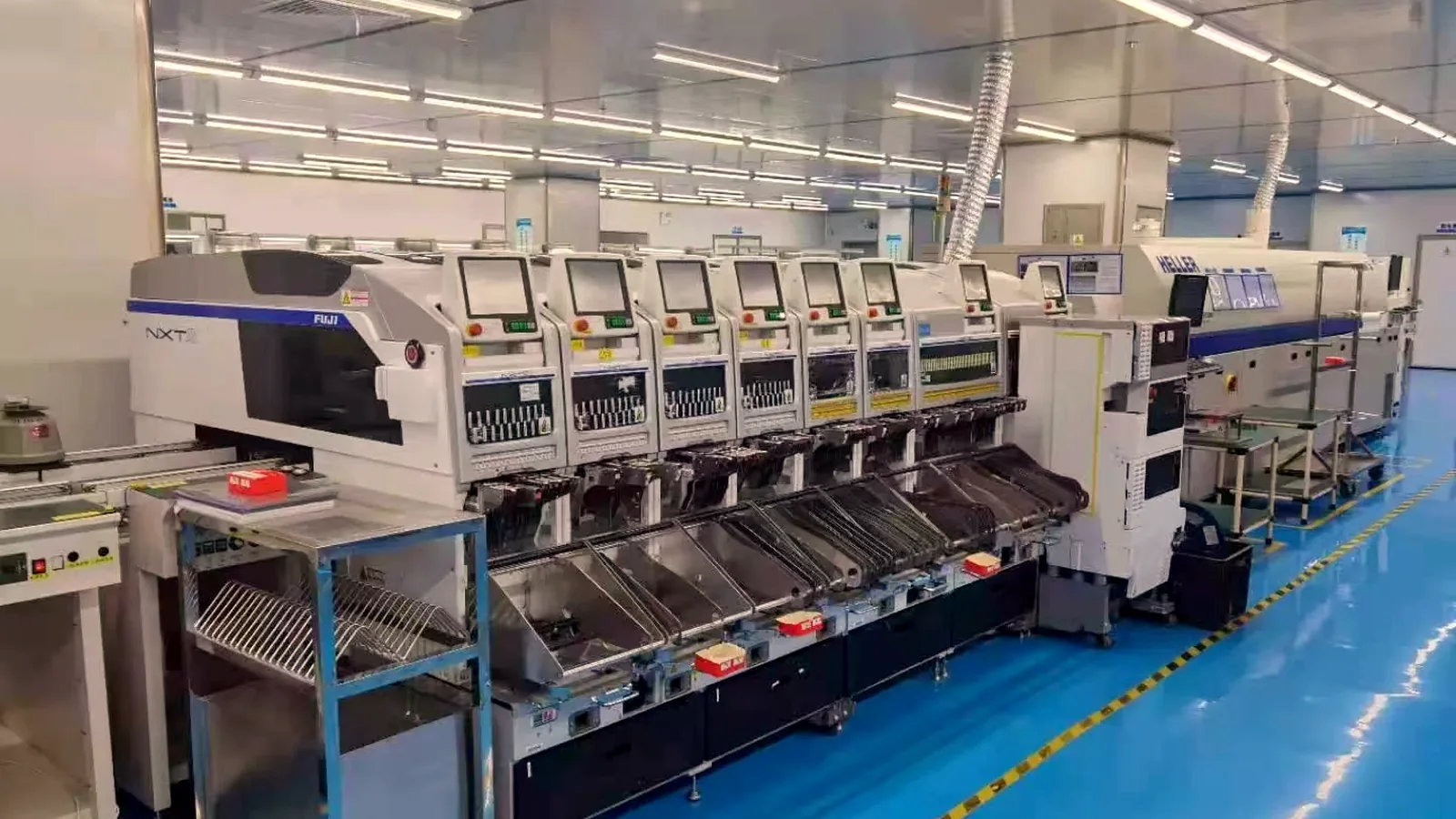
SMT placement -
Reel feeders -
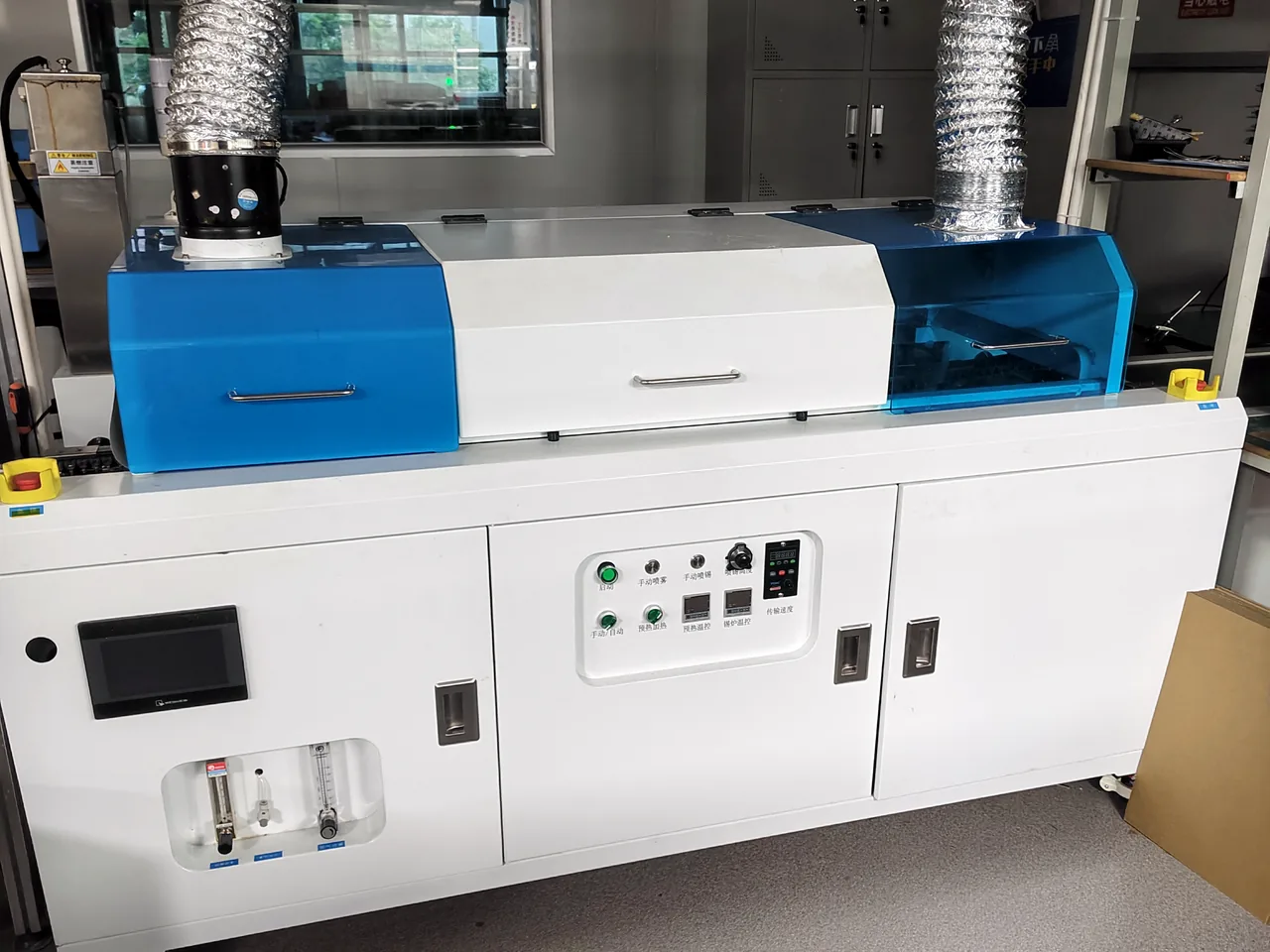
Reflow soldering -
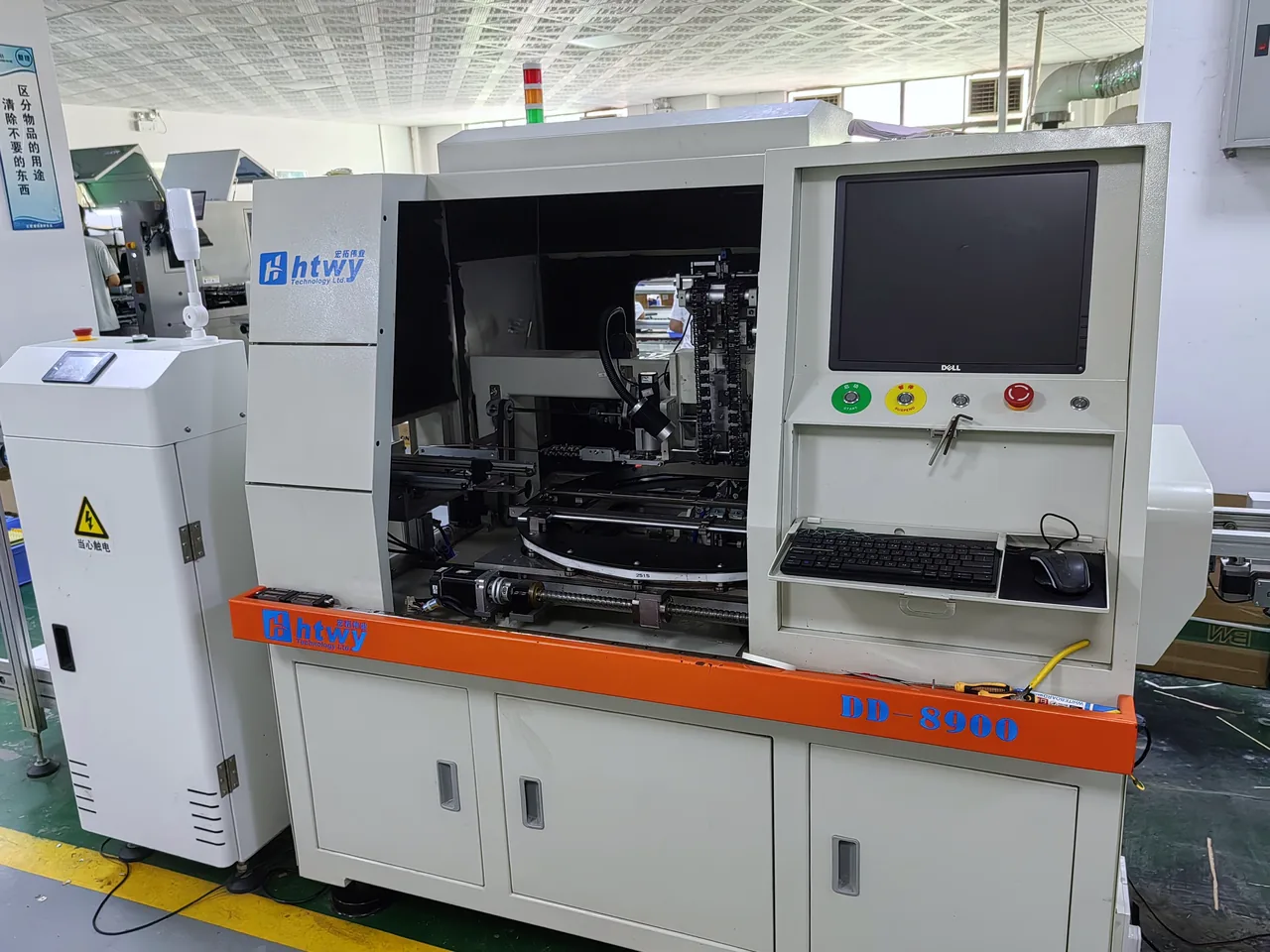
THT insertion -
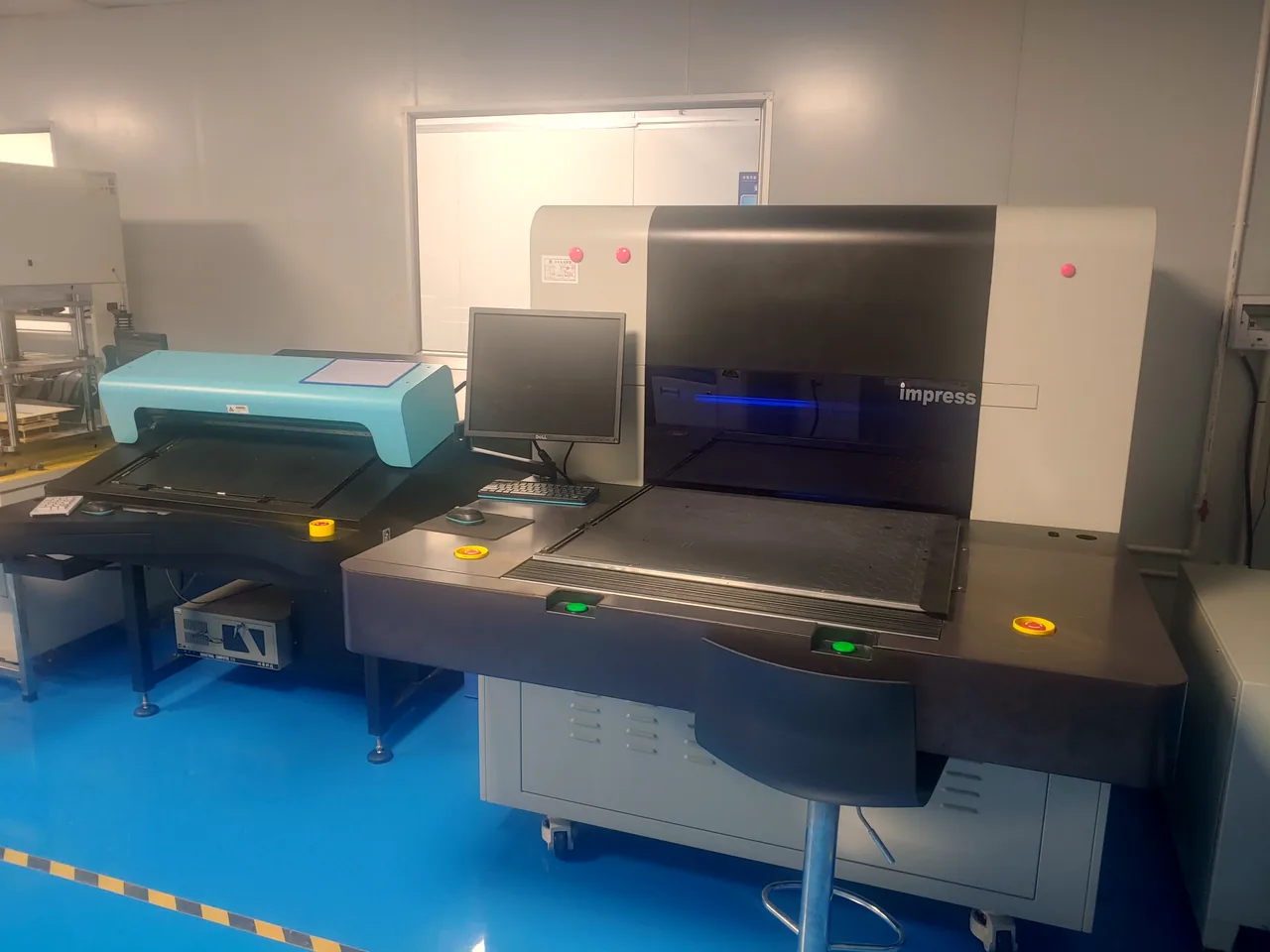
AOI inspection -

Manual inspection
Related services
FAQ
Can you assemble customer-supplied boards and kits?
What testing is included by default?
Do you support BGA, QFN, and fine-pitch assembly?
What is the difference between consigned assembly and turnkey PCBA?
Can you run prototype quantities with partial population?
How should I prepare an assembly RFQ package?
Get started
Ready for the next step?
Send your project files and requirements. We will review stackup, assembly, and test needs, then respond with a clear quotation path.